The Art Fair Circuit Is Changing
By Simon Kenny | 7 min read
The art fair circuit is changing after two decades of expansion, with once-prominent fairs pausing, rebranding, or quietly vanishing across 2025 and 2026. TEFAF (The European Fine Art Foundation) Maastricht stands as the resilient counter-model, favouring scholarship and museum-grade vetting over spectacle. For artists and collectors alike, provenance and trust now carry more weight than scale.

I have shown work in more than one hundred exhibitions since 2003, and I have watched the fair calendar swell into something almost impossible to keep up with. The recent cooling feels less like decline, and more like a market remembering what it values. Quality, patience, and genuine relationships are returning to the centre.
Why is the art fair circuit contracting after years of growth?
The circuit is contracting because unchecked expansion met economic and psychological limits. Total sales value fell 12 per cent in 2024 even as the number of transactions rose 3 per cent, a divergence showing that the top tier is thinning. Rising costs, trade friction, and collector fatigue have made high-frequency fairs harder to justify.
For twenty years, the fair was the primary engine of visibility and revenue, and organisers answered demand by opening events in almost every global hub. That density created what dealers now call fair fatigue, a genuine exhaustion measured in thinning regional attendance and frozen social accounts rather than mere grumbling among the trade.
The pressure is uneven. Smaller dealers with turnover below $250,000 reported a 17 per cent rise in annual sales growth in 2024 by focusing on accessible price points. The mid-tier and high-end segments faced the harder squeeze, where escalating overheads met a collector base that had turned decisively toward research-based acquisition.
Evidence: The Art Basel and UBS Global Art Market Report 2026 recorded a 12 per cent decline in total sales value for 2024, alongside a 3 per cent rise in the number of transactions.
Source: Art Basel and UBS, 2026.
Which fairs have paused or cancelled, and what does this signal?
Several notable fairs stepped back. Taipei Dangdai cancelled its 2026 edition after exhibitor numbers fell roughly 40 per cent, the Art Dealers Association of America paused its flagship Art Show, and PHOTOFAIRS cancelled its New York and Hong Kong editions. Each retreat reflects the same pressure on gallery margins and dwindling prestige.
Taipei Dangdai launched in 2019 with ninety galleries and hosted only fifty-four by 2025. The withdrawal of blue-chip dealers acted as a silent referendum on the event’s standing. Organisers increasingly prefer to implement a strategic pause, yet a pause is often the last quiet step before a permanent absence.
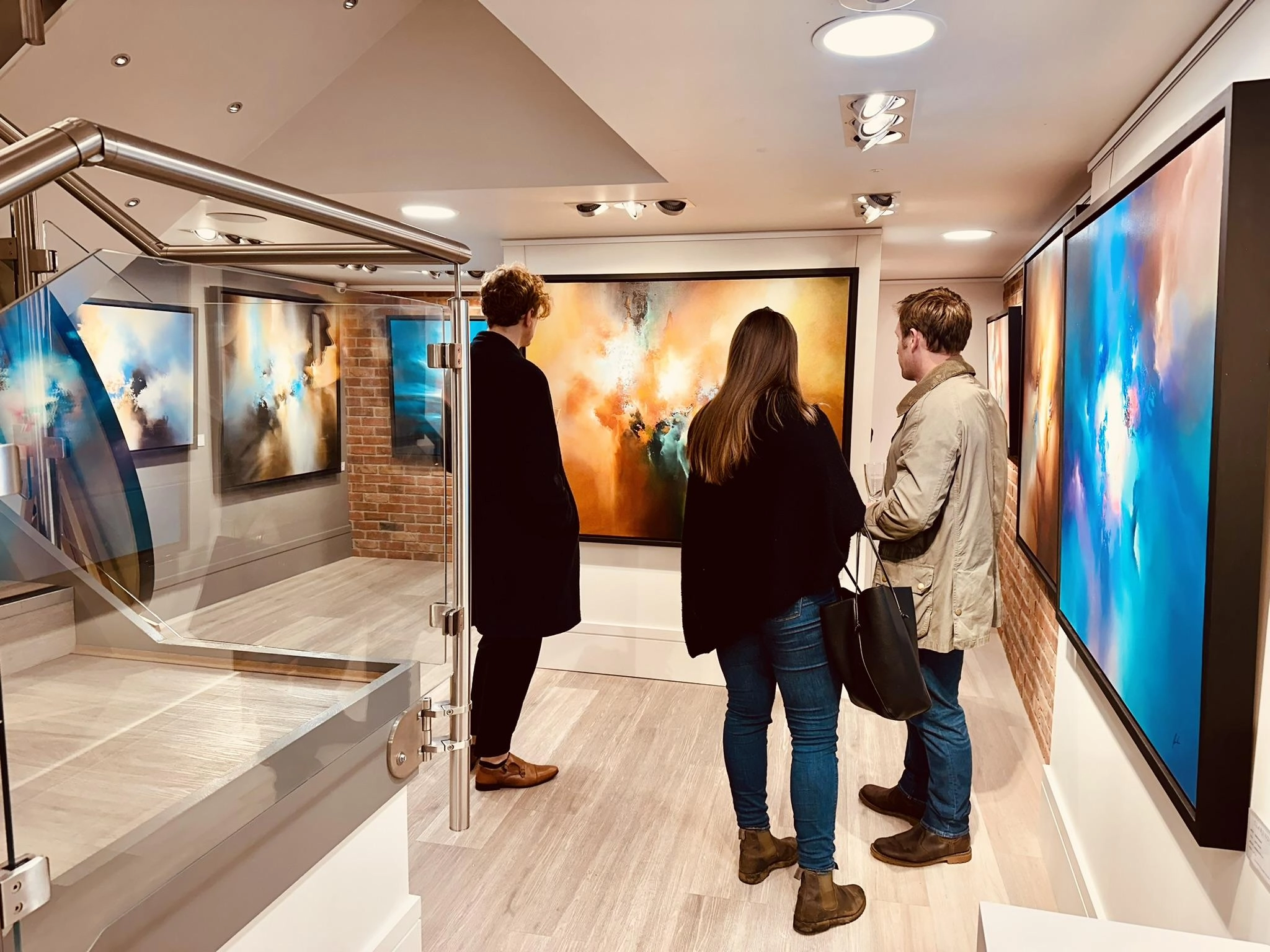
The industry now speaks of a quiet vanishing, where editions are scrubbed from websites and social accounts are frozen to avoid the appearance of failure. The art fair calendar is no longer treated as sacred, and hiatus has become a precursor either to metamorphosis or to disappearance from the constellation altogether.
What does it actually cost a gallery to exhibit at a major fair?
Exhibiting is expensive and rising. In 2025 nearly half of surveyed galleries spent more than £30,000 per fair, and 6 per cent exceeded £100,000. Main-sector booths across the Art Basel network ran from $50,000 to $200,000 before shipping, staffing, insurance, and accommodation frequently doubled the total investment.
Basel is notorious for what dealers call art fair upselling, where a hotel room at 1,815 Swiss francs a night can climb to 7,000 during fair week. Add client dinners that can exceed $40,000 and you understand why only the largest galleries can absorb a disappointing result without real financial distress.
This is why fair sales now sit at 35 per cent of total dealer turnover, the highest share since 2022, while many dealers exhibit despite thin returns because skipping a fair feels worse for visibility. In response, local buying is rising, reaching 71 per cent of private collector sales for the smallest dealers.
Evidence: A 2025 survey found nearly half of galleries spent more than £30,000 per fair, with 6 per cent exceeding £100,000, while art fair sales rose to 35 per cent of total dealer turnover.
Source: Art Basel and UBS Global Art Market Report, 2026.
How has TEFAF Maastricht stayed so resilient?
TEFAF has stayed resilient by anchoring its value in rigorous vetting, scholarship, and long-term connoisseurship. Its 39th edition in March 2026 drew over 50,000 visitors and more than 450 museums, including the Louvre, the Rijksmuseum, and the Metropolitan Museum of Art, which acquired a late 14th-century marble sculpture for around 1.5 million euro.

A quarter of TEFAF’s galleries have exhibited there for over two decades, a loyalty almost unheard of elsewhere. The Van Gogh Museum acquired a rare painting by Virginie Demont-Breton, only the third work by a female artist in its collection. Standout dealer sales included a medieval manuscript at 5 million Swiss francs.
The fair also proved that depth need not mean exclusion. Its Emerging Collector Program gathered 96 galleries offering works under 20,000 euro, an accessible doorway into a setting known for multi-million-euro masterpieces. That balance of scholarship and welcome is the quality I most admire in any serious exhibition environment.
Evidence: TEFAF Maastricht 2026 welcomed over 50,000 visitors and more than 450 museums, and generated an estimated 86.4 million euro national economic impact for the Netherlands.
Source: TEFAF and Deloitte Luxembourg Economic Impact Report, 2026.
What can artists and collectors take from this?
The recalibration rewards focus over frequency. Collectors are moving toward research, materiality, and intimate cross-category works rather than trophy-scale purchases, and 44 per cent of high-net-worth individuals now describe themselves as researcher collectors. Depth, provenance, and documentation are becoming the market’s real currency.
For me this shift is encouraging. When a collector studies a painting’s making and meaning before acquiring it, the relationship tends to last. If you are beginning that journey, my guide to collecting and investing in abstract art explores how provenance and a Certificate of Authenticity protect long-term value, and you can see the ideas at work across my original abstract paintings.
The same lesson runs through how galleries choose and champion artists, A fair that prizes vetting is really prizing trust, and trust is built slowly, one honest relationship at a time.
The constellation of fairs will keep thinning, and the survivors will be those that prove their cultural and economic worth, as TEFAF did with its Deloitte-backed impact report. A market that prizes scholarship and genuine connection is a market that rewards the slow, considered work of the studio.
Frequently asked questions about the changing art fair circuit
Is the art fair model in decline?
Not entirely. The high-frequency, geographically sprawling model is contracting, but vetting-led fairs such as TEFAF Maastricht are thriving. The market is shifting from breadth toward depth, favouring events that offer scholarship, provenance, and lasting collector relationships over scale and spectacle.
Why is TEFAF Maastricht considered a benchmark?
TEFAF is regarded as a benchmark because of its museum-grade vetting, deep institutional engagement, and long exhibitor loyalty. Its 2026 edition attracted over 50,000 visitors and more than 450 museums, and generated an estimated 86.4 million euro in national economic impact for the Netherlands.
What should new collectors look for now?
New collectors should prioritise provenance, materiality, and a clear Certificate of Authenticity over trophy-scale acquisitions. Buying intimate, well-documented works from trusted sources builds a cohesive collection that holds meaning and value as the wider market continues to recalibrate.
If a painting rooted in scholarship and made to last is what you are looking for, explore my available original works or commission a piece for your home or space.
Other Articles

Art and the Home: Abstract Art and Interior Design Styles, the Great Connector

Gestural Abstract Painting: The Art of Controlled Freedom

Commissioning Art for a Corporate Space: A Guide for Designers and Procurement Teams